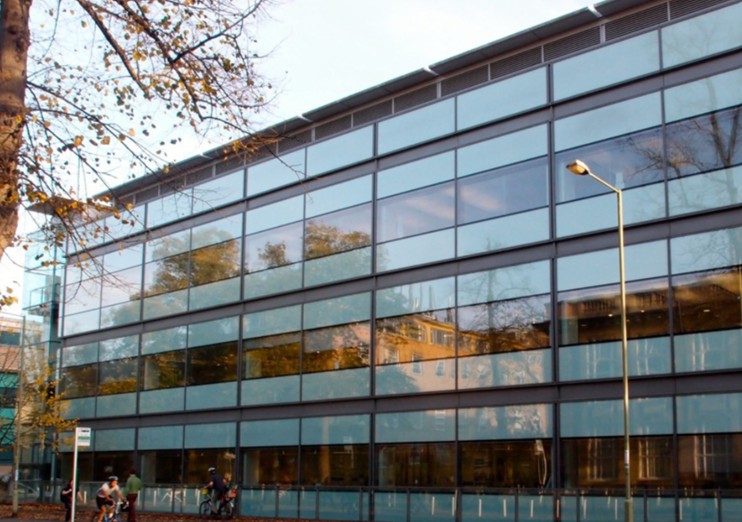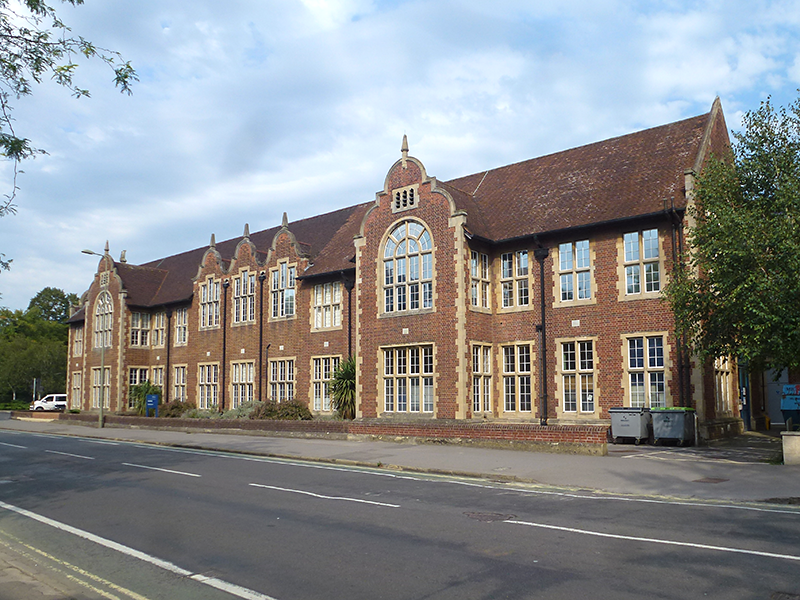
Our design approach combined technical innovation with a sensitive understanding of the academic and heritage context of the building. Located on the University of Oxford’s South Parks Road campus, the Jenkin Building forms part of the Department of Engineering Science and houses several specialist research groups.
The Soil Mechanics Department required a major refurbishment to create new laboratory environments capable of supporting precision testing, materials research, and geotechnical investigation. The project called for the transformation of an existing space into a suite of close-control laboratories while maintaining the building’s operational continuity and character.
The design challenge centred on achieving stringent environmental performance criteria for temperature, humidity, and vibration control within the existing structural constraints. Our team worked closely with the University’s engineering and facilities managers to develop tailored MEP solutions that could deliver the required stability and resilience. This included the integration of advanced HVAC systems, humidity-controlled air handling units, and fine-tuned control systems to support highly sensitive experiments.
Particular attention was given to services distribution and coordination. New mechanical and electrical systems were carefully threaded through the existing building fabric to preserve architectural integrity while maximising performance. Close collaboration with structural and architectural teams ensured services were seamlessly incorporated into the spatial and aesthetic design, providing a laboratory environment that was both functional and refined.
Energy efficiency and long-term maintainability were central to the design philosophy. High levels of system redundancy, energy monitoring, and control were embedded to support operational reliability and regulatory compliance. By balancing technical excellence with sustainability considerations, the project achieved a resilient and future-ready solution suited to the University’s research ambitions.
The completed facilities have significantly enhanced the Department’s research capacity, providing an exemplar of precision environmental control in an academic setting. The project exemplifies our ability to deliver MEP design for complex, technically demanding laboratory environments within historic or operational buildings—skills directly applicable to the proposed Oxfordshire science and technology development.